
John Donne’s “The Good-Morrow” stands as a hallmark of metaphysical poetry, exploring the awakening of love as both an intimate and philosophical experience. Through its intricate conceits, meditative tone, and fusion of spiritual and sensual imagery, the poem presents a vision of romantic union that transcends temporal and physical boundaries. Understanding this work illuminates the ways in which early seventeenth-century poets engaged with emotion, intellect, and the metaphysical dimensions of human connection, offering readers insight into the nature of love, perception, and relational consciousness.
Historical and Literary Context
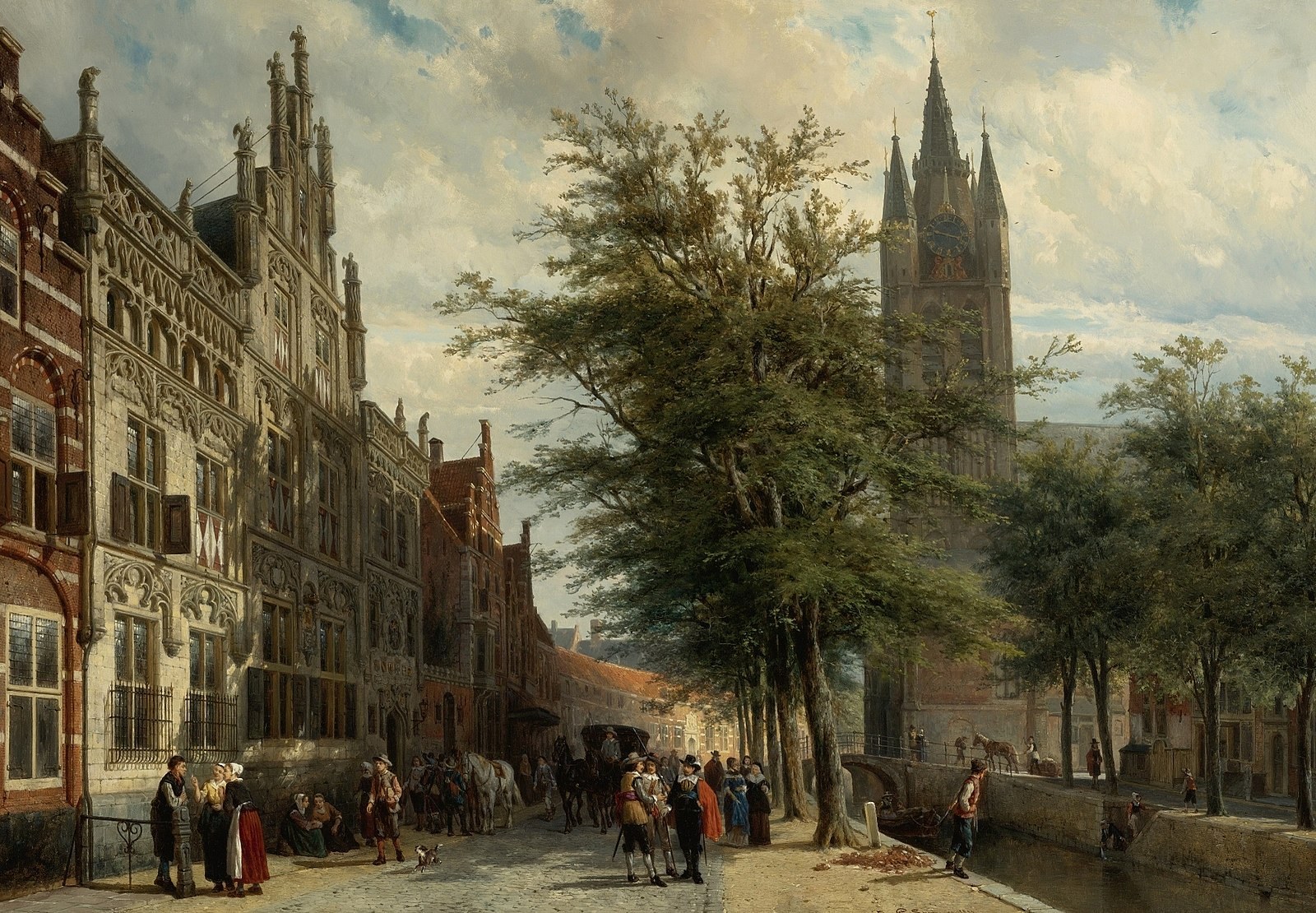
Written during the early seventeenth century, “The Good-Morrow” reflects the cultural and intellectual milieu of Jacobean England, a period marked by religious uncertainty, scientific discovery, and the flourishing of poetic innovation. Metaphysical poets, including Donne, embraced a style characterized by intellectual rigor, conceits, and the blending of personal experience with philosophical reflection.
The Metaphysical Tradition
Metaphysical poetry is distinguished by its wit, argumentative structure, and use of extended metaphors to explore complex human experiences. Donne’s work exemplifies these qualities, intertwining erotic and spiritual elements to construct a vision of love that engages both the body and the mind. “The Good-Morrow” demonstrates how metaphysical poets negotiated personal intimacy within larger metaphysical frameworks, questioning the nature of reality, consciousness, and relational unity.
Donne’s Poetic Philosophy
Donne’s philosophy of love combines sensory immediacy with intellectual abstraction. In the early modern context, love was not solely an emotional or social experience but a lens through which to explore truth, morality, and human connection. This dual perspective informs both the structure and imagery of “The Good-Morrow”, as the poem moves from personal reflection to universal meditation.
Structure and Form
“The Good-Morrow” is composed of three stanzas, each marked by a progression in thematic depth and philosophical insight. The poem’s structure reflects the movement from awakening, through recognition of mutual completeness, to metaphysical affirmation of love’s permanence.
First Stanza: Awakening and Past Reflection
The opening stanza begins with a meditation on life before the lovers’ union. Donne reflects on the insignificance of prior experiences, using phrases that suggest a dormant or incomplete consciousness: “I wonder, by my troth, what thou and I / Did, till we loved?” This rhetorical question situates the reader within a shared inquiry, emphasizing the transformative power of love to render previous existence trivial.
Second Stanza: Mutual Completeness
The second stanza celebrates the harmony and interdependence of the lovers. Donne employs spatial and bodily imagery, suggesting that the union of two individuals constitutes a fully realized microcosm: “Whatever dies, was not mixed equally; / If our two loves be one, or, thou and I / Love so alike that none do slacken, none can die.” Here, love is both relational and eternal, a self-contained universe in which each participant finds completion.
Third Stanza: Metaphysical Universality
In the final stanza, Donne extends the concept of love beyond the immediate physical and emotional experience to a metaphysical plane. Using imagery of the world and celestial bodies, he asserts that true love is absolute, transcending temporal limitations: “If our two loves be one, or, thou and I / Love so alike that none can slacken, none can die.” This culmination merges the erotic with the spiritual, exemplifying the metaphysical poet’s capacity to fuse sensory intimacy with philosophical reflection.
Conceits and Metaphysical Devices
Donne’s use of conceits—a hallmark of metaphysical poetry—serves both aesthetic and philosophical purposes. In “The Good-Morrow”, extended metaphors create intellectual depth while reinforcing the poem’s emotional resonance.
The Microcosm and the Universe
Donne likens the lovers’ relationship to a complete world, a microcosm reflecting universal order. This conceit elevates personal intimacy to cosmic significance, suggesting that true love constitutes its own reality. The universe becomes a metaphor for relational completeness, emphasizing how emotional and intellectual engagement combine to produce a holistic experience.
Sensual-Spiritual Fusion
Another key device is the integration of sensual and spiritual imagery. Donne’s poetry often blurs the boundary between bodily love and higher contemplation, as physical desire is inseparable from intellectual and emotional union. In “The Good-Morrow”, the lovers’ awakening encompasses both the senses and the mind, illustrating Donne’s belief that human connection is inherently multidimensional.
Themes of Awareness and Transformation

The poem emphasizes awakening not only as romantic experience but as cognitive and existential realization.
From Isolation to Recognition
The opening question of the poem situates the speaker and his beloved in a state of pre-consciousness, suggesting that life before love was fragmented or incomplete. The progression of the poem mirrors the transformative nature of recognition: the lovers’ union awakens a heightened sense of self and other, fostering both intimacy and philosophical reflection.
Eternity and Relational Permanence
By framing love as a self-contained universe, Donne addresses the human desire for permanence amid temporal impermanence. The poem positions relational consciousness as a form of transcendence, suggesting that true connection endures beyond individual mortality and historical contingency. This theme resonates with broader metaphysical concerns about existence, continuity, and the nature of human bonds.
Imagery and Symbolism
Donne’s imagery in “The Good-Morrow” operates on multiple levels, blending sensory, intellectual, and cosmic elements.
Spatial and Bodily Imagery
The poem frequently references physical closeness, sight, and shared experience. Eyes, bodies, and spaces serve as symbols of awareness, intimacy, and mutual recognition. Such imagery situates abstract philosophical concepts within tangible, relatable experience, reinforcing the unity of mind and body in love.
Celestial and Natural Symbolism
Celestial imagery—references to the globe, stars, and the universe—underscores love’s metaphysical dimension. Natural elements function as mirrors and metaphors, linking personal experience with universal order. By situating human emotion within cosmic imagery, Donne underscores the resonance of intimate relationships in larger existential frameworks.
Comparative Perspectives
Comparing “The Good-Morrow” with other metaphysical works illuminates Donne’s distinctive approach. Unlike more overtly erotic metaphysical poems, Donne balances sensuality with philosophical inquiry. His contemporaries, such as Richard Crashaw or George Herbert, explore devotional or mystical experience, but Donne’s emphasis on relational consciousness uniquely blends the erotic, emotional, and intellectual dimensions of love.
Donne and the Petrarchan Tradition
The poem also engages with Petrarchan conceits, subverting traditional courtly love tropes. Instead of idealizing a distant beloved, Donne presents an egalitarian vision of mutual awakening, emphasizing relational equality, shared awareness, and cognitive as well as emotional intimacy. This reinterpretation transforms Renaissance love poetry into a metaphysical meditation on consciousness and connection.
Modern Relevance
“The Good-Morrow” continues to resonate with contemporary readers due to its exploration of relational awareness, emotional transformation, and existential reflection. Modern interpretations emphasize the poem’s psychological insight, its celebration of conscious engagement in relationships, and its enduring appeal as a meditation on intimacy and selfhood.
Love as Consciousness
The poem foregrounds the idea that love is not merely emotion but an active, reflective consciousness. This notion parallels contemporary psychological and philosophical understandings of relational development, highlighting Donne’s continued relevance in discussions of human connection.
Transcendence in Everyday Life
By portraying love as a transformative, quasi-metaphysical experience, Donne offers a framework for understanding the potential of intimate relationships to illuminate broader truths about life, meaning, and human interdependence.
Key Takeaways
-
“The Good-Morrow” exemplifies metaphysical poetry through its blend of sensual, intellectual, and spiritual dimensions.
-
Donne portrays love as a transformative awakening that completes both self and other.
-
The poem’s conceits, including the microcosm metaphor, elevate personal intimacy to universal significance.
-
Sensory and cosmic imagery work together to illustrate relational, emotional, and philosophical unity.
-
Donne reinterprets Petrarchan and Renaissance love conventions, emphasizing mutual awareness and cognitive intimacy.
-
Temporal and existential considerations underscore the permanence and depth of true love.
-
Modern readings highlight the poem’s relevance to psychological understanding and relational consciousness.
-
The poem demonstrates how aesthetic form and philosophical insight can intertwine to illuminate human experience.
Conclusion
John Donne’s “The Good-Morrow” offers a profound meditation on love, consciousness, and relational completeness. By fusing sensory immediacy with metaphysical reflection, the poem illuminates how intimate connection transforms both perception and existence. Its enduring significance lies in its capacity to engage readers intellectually and emotionally, revealing love as a conscious awakening that bridges the personal, philosophical, and universal dimensions of human experience.