
John Donne’s sonnet “Death Be Not Proud” remains one of the most powerful poetic confrontations with mortality in English literature. Written in an age when death was omnipresent through disease, war, and religious anxiety, the poem challenges the authority and terror traditionally associated with dying. Rather than treating death as an ultimate enemy, Donne reframes it as weak, temporary, and ultimately powerless. For modern readers, the poem offers not only literary brilliance but also a striking philosophical argument about fear, faith, and human dignity in the face of mortality.
Historical and Intellectual Context
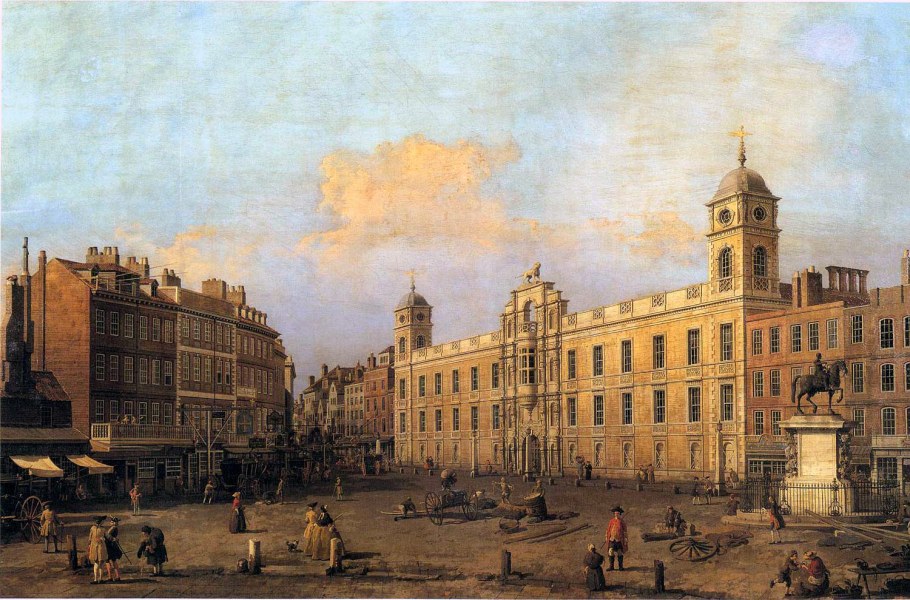
To understand the poem’s force, it is essential to place it within the intellectual climate of early seventeenth-century England. Donne lived during a period marked by religious upheaval, scientific transformation, and high mortality rates. Plagues regularly swept through cities, life expectancy was short, and death was a familiar presence rather than an abstract concept.
Donne’s Religious Struggle
Donne’s personal history deepens the poem’s intensity. Born into a Catholic family during Protestant England, he lived much of his life navigating religious uncertainty, conversion, and spiritual anxiety. Later in life, he became an Anglican priest, and his Holy Sonnets, including “Death Be Not Proud,” reflect a mature theological wrestling rather than naïve faith. The poem is not a denial of death’s reality, but a reasoned confrontation grounded in Christian metaphysics.
The Metaphysical Tradition
As a metaphysical poet, Donne combined intellectual argument, emotional urgency, and striking imagery. His poetry often reads like a philosophical debate compressed into verse. “Death Be Not Proud” exemplifies this approach: it is structured as a logical dismantling of death’s supposed power, using paradox, personification, and theological reasoning.
Structure and Rhetorical Strategy
The poem follows the form of a Petrarchan sonnet, but Donne adapts it to serve a confrontational, argumentative purpose. Every structural choice supports the poem’s central claim: death is not to be feared.
Apostrophe: Addressing Death Directly
The opening line, “Death, be not proud,” establishes the poem’s central rhetorical move. By addressing death directly, Donne personifies it and places it in a position of inferiority. Death is no longer an abstract force but an entity capable of being challenged, mocked, and corrected.
This direct address is crucial. Fear thrives on abstraction; Donne undermines fear by giving death a face and then stripping it of authority. The poem reads less like lamentation and more like a courtroom argument in which death is put on trial.
Logical Progression
The sonnet progresses through a series of claims that systematically weaken death’s power:
-
Death is not mighty or dreadful.
-
Death does not truly kill.
-
Death is dependent on external forces.
-
Death itself will die.
This progression mirrors a philosophical syllogism, guiding the reader step by step toward the poem’s radical conclusion.
Redefining Death’s Power

At the heart of the poem lies a bold redefinition of what death actually is and what it can do.
Death as Illusion
Donne challenges the assumption that death is final. He argues that those whom death “overthrows” do not truly die. From a Christian perspective, physical death is merely a transition into eternal life. Even for readers outside this theological framework, the argument reframes death as interruption rather than annihilation.
By redefining death as a temporary state, Donne strips it of its existential terror. Fear depends on finality; once death loses that status, its authority collapses.
Dependency and Weakness
One of the poem’s most striking moves is the portrayal of death as dependent rather than dominant. Donne notes that death relies on “fate, chance, kings, and desperate men.” In other words, death has no independent agency. It is summoned by accidents, violence, illness, or political power.
This portrayal reverses the traditional hierarchy. Humans, not death, are the actors; death is merely the outcome of their actions. Such reasoning demystifies mortality and relocates power within human and cosmic systems rather than a singular force.
Sleep as a Central Metaphor
The comparison between death and sleep is one of the poem’s most effective metaphors.
Familiarity Over Fear
Sleep is a daily, familiar experience associated with rest and restoration. By aligning death with sleep, Donne normalizes what is typically feared. If sleep is pleasant, and death resembles sleep, then death cannot be inherently dreadful.
This metaphor also appeals to bodily experience rather than abstract theology. Donne does not rely solely on doctrine; he appeals to lived human sensation, grounding his argument in everyday reality.
Temporary Suspension
Sleep implies awakening. This implication reinforces the poem’s eschatological vision: death is not an endpoint but a pause before resurrection. Even outside a strictly religious reading, the metaphor suggests continuity rather than erasure.
Theology and the Afterlife
Although “Death Be Not Proud” is intellectually playful, its foundation is deeply theological.
Christian Eschatology
The poem’s concluding line, “Death, thou shalt die,” is rooted in Christian beliefs about resurrection and eternal life. According to this worldview, death is defeated through divine intervention. Death exists only within temporal reality and cannot survive eternity.
Importantly, Donne does not present this belief sentimentally. He frames it as a logical consequence of Christian metaphysics: if eternal life exists, then death cannot be absolute.
Faith Without Sentimentality
What distinguishes Donne’s approach is the absence of emotional consolation. He does not soothe grief or deny pain. Instead, he asserts intellectual and spiritual defiance. This tone gives the poem its distinctive strength and prevents it from slipping into moralizing reassurance.
Psychological Dimensions
Beyond theology, the poem offers a powerful psychological intervention.
Fear as a Construct
By personifying death and dismantling its claims, Donne exposes fear as a mental construct sustained by false assumptions. The poem suggests that fear persists not because death is powerful, but because humans misinterpret it.
This insight anticipates modern psychological approaches that emphasize reframing fear through rational analysis. Donne’s poem operates as an early form of cognitive challenge, replacing instinctive dread with reflective understanding.
Human Dignity
The poem asserts human dignity in the face of mortality. By refusing to cower before death, the speaker claims agency, intellect, and spiritual confidence. This stance affirms that humans are not passive victims of mortality but thinking beings capable of confronting existential limits.
Language and Tone
Donne’s language plays a crucial role in sustaining the poem’s argument.
Controlled Defiance
The tone is confident but not hysterical. Donne does not rage against death; he corrects it. This measured defiance reinforces the poem’s authority. Fear is loud; confidence is calm.
Precision and Economy
The poem’s language is compact and deliberate. Every word advances the argument. There is no ornamental excess, which aligns with the poem’s philosophical clarity. This precision contributes to its enduring power and memorability.
Comparison with Other Death Poems
Unlike elegiac or melancholic treatments of death, Donne’s poem stands apart.
Against Romantic Melancholy
Later poets often portray death as tragic, sublime, or emotionally overwhelming. Donne rejects this tradition before it fully emerges. His death is neither beautiful nor tragic; it is simply mistaken about its own importance.
Contrast with Medieval Memento Mori
Medieval literature frequently emphasized death as a warning against earthly vanity. Donne, by contrast, does not use death to humble humanity. Instead, he humbles death itself. This inversion marks a significant shift in literary attitudes toward mortality.
Modern Relevance
Despite its religious foundation, “Death Be Not Proud” continues to resonate in secular contexts.
Existential Courage
The poem speaks to modern anxieties about meaning, finality, and loss of control. Its insistence on fearlessness offers a model of existential courage grounded in reason rather than denial.
Literature as Psychological Resource
Donne’s poem demonstrates how literature can function as more than aesthetic expression. It becomes a tool for confronting universal human fears, offering intellectual frameworks rather than emotional distraction.
Key Takeaways
-
“Death Be Not Proud” confronts mortality through argument rather than lament.
-
Donne personifies death to diminish its authority and expose its weakness.
-
The poem reframes death as temporary, dependent, and powerless.
-
Sleep serves as a central metaphor to normalize and defuse fear.
-
Christian theology underpins the poem without turning it sentimental.
-
The tone emphasizes calm confidence over emotional consolation.
-
Donne asserts human dignity and intellectual agency in the face of death.
-
The poem remains relevant as a philosophical response to existential fear.
Conclusion
“Death Be Not Proud” stands as a masterful fusion of poetry, philosophy, and theology. John Donne does not ask readers to ignore death or romanticize it; he asks them to think about it clearly. By dismantling death’s claims to power, permanence, and authority, the poem offers a fearless vision of human existence—one in which mortality is acknowledged but not obeyed. Its enduring impact lies in its refusal to surrender reason, dignity, or courage to fear, making it one of the most intellectually bracing meditations on death ever written.