
Elizabeth Barrett Browning’s Aurora Leigh is widely regarded as a seminal text in Victorian literature, notable for its exploration of personal identity, artistic vocation, and gender dynamics. Through the character of Aurora, Browning interrogates the intersections of creativity, selfhood, and societal expectation, offering readers a rich study in how art and feminism coalesce in the construction of identity. Analyzing these themes provides insight into the historical constraints faced by women and the ways literature can both reflect and challenge cultural norms.
Historical and Literary Context
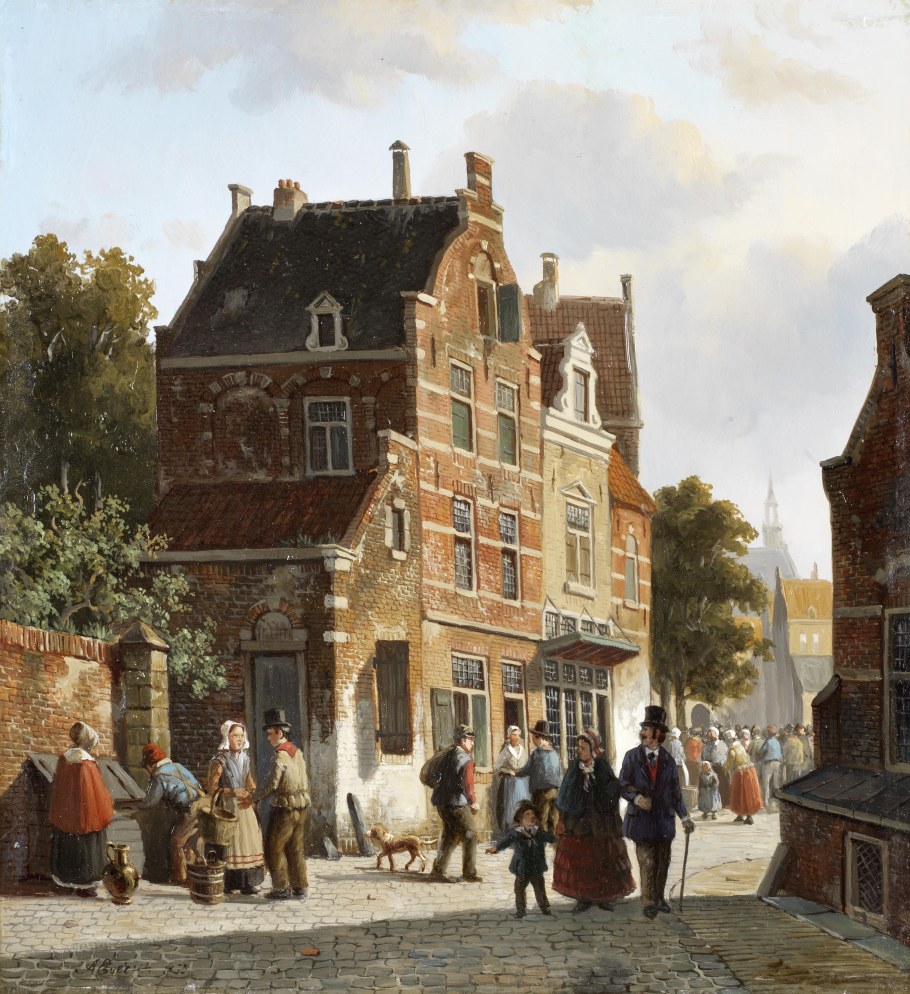
Understanding Aurora Leigh requires attention to the social and literary context of mid-19th-century England. Victorian society was marked by strict social hierarchies, gendered divisions of labor, and emerging debates about women’s education and professional opportunities. Literature of the period often reinforced conventional gender roles, presenting women primarily as wives, mothers, or moral guides.
Browning’s work diverges from these conventions. Written between 1856 and 1857, the poem combines elements of the epic, the Bildungsroman, and the social novel, creating a hybrid form that enables both personal and political commentary. Aurora’s journey as a woman artist reflects the tension between societal constraints and personal ambition, highlighting the challenges women faced in asserting intellectual and creative authority.
Aurora Leigh as a Feminist Text
Browning’s treatment of feminism is both subtle and radical for her time. The poem foregrounds a female protagonist who seeks independence and artistic fulfillment rather than conventional domesticity. Aurora’s struggle to claim her voice in a male-dominated literary sphere challenges Victorian notions of femininity and societal expectation.
Female Autonomy and Artistic Vocation
Aurora’s identity is inseparable from her role as a poet. Browning presents creativity as a means of self-assertion, positioning artistic vocation as a vehicle for autonomy. Unlike many contemporary literary heroines, Aurora’s personal development is intertwined with professional ambition. The poem portrays the cultivation of intellect and artistry as essential to authentic womanhood, suggesting that self-realization requires both moral and creative engagement.
Resistance to Patriarchal Norms
Aurora’s interactions with male characters illustrate the challenges posed by patriarchal authority. Romney Leigh, representing Victorian ideals of social responsibility and reform, serves both as a potential ally and a figure of tension. Aurora negotiates her personal desires, creative ambition, and social ethics within this framework, asserting her agency without sacrificing moral integrity. Browning thus critiques the limitations imposed on women while modeling strategies for navigating and resisting them.
Art as a Mode of Identity Formation
In Aurora Leigh, art functions as both a mirror and a mediator of identity. Browning emphasizes that the creation of poetry is not only a personal endeavor but a social and ethical act. Artistic labor allows Aurora to process experience, engage with societal inequities, and assert moral and intellectual authority.
Ethical and Social Dimensions of Art
Aurora’s artistic development is inseparable from social awareness. Browning critiques art for art’s sake as insufficient, advocating instead for literature that engages with ethical and social realities. Aurora’s poems respond to injustice, poverty, and gendered oppression, demonstrating that selfhood and artistry are mutually reinforcing when oriented toward the broader good.
Intersection of Creativity and Feminist Consciousness
Art becomes a site for feminist reflection. Aurora’s creative agency allows her to redefine what it means to be a woman in Victorian society. Through her work, she challenges the assumption that women’s primary value lies in domestic or relational roles, asserting instead that intellectual and creative achievement constitutes legitimate and meaningful identity. Browning’s text thereby links artistic production with feminist self-realization.
Identity Negotiated Through Social Engagement

Aurora’s development illustrates the interplay between individual selfhood and social responsibility. Browning emphasizes that identity is not fully formed in isolation; it is cultivated through engagement with other people, communities, and societal structures.
Class and Social Awareness
Class distinctions are integral to the narrative. Aurora encounters characters from diverse socio-economic backgrounds, such as Marian Erle, whose poverty and vulnerability shape Aurora’s moral and artistic perspective. By engaging with these social realities, Aurora cultivates empathy and a sense of responsibility, demonstrating that ethical selfhood emerges from interaction with, rather than detachment from, society.
Ethical Action as a Component of Identity
Browning positions ethical action as central to authentic identity. Aurora’s moral decisions—how she treats others, the subjects she chooses to explore in her poetry, and the principles she upholds—underscore the interdependence of personal integrity and social engagement. Selfhood in Aurora Leigh is thus relational: it requires active attention to the moral implications of one’s choices.
Feminism and Gendered Challenges in Artistic Pursuits
Aurora’s experiences underscore the gendered barriers to artistic and professional fulfillment. Victorian norms relegated women to domestic spheres, restricting access to education and professional networks. Browning confronts these restrictions by presenting a heroine whose ambition and talent cannot be contained by conventional expectations.
Negotiating Autonomy and Social Expectation
Aurora negotiates societal pressures while asserting her creative independence. Her decisions—whether in rejecting certain domestic obligations or in confronting male authority—reflect a sophisticated understanding of how to balance personal freedom with ethical and social responsibilities. Browning thereby models a nuanced approach to female agency within restrictive social structures.
Education and Empowerment
Education and intellectual cultivation are depicted as crucial tools for autonomy. Aurora’s literary and moral education equips her to navigate complex social hierarchies, articulate her perspectives, and engage meaningfully with societal issues. Browning thus links empowerment with knowledge, demonstrating that feminist selfhood requires both skill and critical awareness.
Romantic Individualism and Social Realism
Browning combines Romantic ideals of self-expression with Victorian realism, creating a tension that enhances the poem’s exploration of identity. Aurora embodies the Romantic valorization of the self as a creative force, yet her journey is grounded in realistic social challenges, including class inequality, gender oppression, and moral responsibility.
This duality underscores the poem’s argument that true identity is both inward and outward-facing. Selfhood is meaningful not merely as personal achievement but as engagement with ethical and societal imperatives. Browning’s integration of these literary traditions enhances the poem’s sophistication, demonstrating how individual and social consciousness intersect.
Narrative Techniques and Poetic Style
Browning’s use of first-person blank verse provides readers with intimate access to Aurora’s thoughts, feelings, and creative process. The flexibility of blank verse accommodates both lyrical introspection and narrative exposition, enabling the poem to balance personal reflection with social critique.
Imagery, metaphor, and extended moral commentary reinforce the thematic interplay between art, identity, and feminism. The poem’s expansive structure, encompassing multiple episodes and social interactions, mirrors the complexity of identity formation and the multifaceted challenges of navigating a patriarchal society. Browning’s stylistic choices thus support the thematic depth of the work.
Comparative Perspectives: Aurora Leigh and Victorian Women Writers
Comparing Aurora Leigh to works by other Victorian women writers highlights Browning’s innovative approach. While authors such as George Eliot and Christina Rossetti explored female subjectivity and social constraints, Browning foregrounded the intersection of artistic vocation and feminist consciousness.
Unlike many contemporaneous texts, Aurora Leigh positions a woman’s intellectual and creative pursuits as central to her identity rather than secondary to domestic or romantic roles. This orientation marks a significant development in Victorian literature, expanding the possibilities for how female agency and creativity could be represented and valorized.
Modern Relevance: Art, Feminism, and Identity Today
The themes of Aurora Leigh resonate in contemporary discussions about art, gender, and personal agency. The poem offers a model for understanding how creativity can foster self-definition while engaging with social and ethical issues. Modern readers, artists, and feminists can draw lessons from Aurora’s negotiation of ambition, morality, and societal expectation, recognizing that authentic identity requires both self-expression and social awareness.
Moreover, the poem’s feminist ethos remains pertinent. In contemporary debates about gender equality, professional opportunity, and creative representation, Aurora’s struggles exemplify enduring challenges and strategies for overcoming them. Browning’s work thus continues to provide guidance for cultivating empowered, socially conscious identities.
Key Takeaways
- Aurora Leigh explores the intersection of artistic vocation, identity, and feminism in Victorian society.
- Aurora’s selfhood is defined through creative expression, ethical engagement, and social awareness.
- The poem challenges gender norms by portraying a female protagonist whose intellectual and artistic ambitions are central to her identity.
- Class, education, and social responsibility shape personal and moral development.
- Browning blends Romantic individualism with Victorian realism to depict the negotiation between personal aspiration and societal expectation.
- Ethical action and empathy are integral to authentic selfhood in the poem.
- Literary techniques, including first-person blank verse and vivid imagery, reinforce thematic exploration of identity and feminism.
- The work remains relevant for contemporary discussions about gender, creativity, and the social dimensions of identity.
Conclusion
Elizabeth Barrett Browning’s Aurora Leigh presents a nuanced examination of art, identity, and feminism, illustrating how creative vocation can serve as a foundation for self-definition and social engagement. Through Aurora’s experiences, Browning explores the challenges women faced in asserting intellectual and artistic authority, demonstrating that authentic selfhood requires both moral responsibility and creative agency. The poem’s enduring significance lies in its ability to connect individual empowerment with social consciousness, offering readers a framework for understanding the ongoing interplay between gender, art, and identity.