
Elizabeth Barrett Browning’s Sonnets from the Portuguese is celebrated not only as a pinnacle of Victorian love poetry but also as a profound exploration of human emotion, intimacy, and spiritual devotion. Understanding the layers of passion and devotion embedded in these sonnets offers readers insight into both the poet’s personal experiences and universal themes of love. This analysis is essential for students, literature enthusiasts, and anyone seeking a deeper appreciation of poetic craft and emotional intensity.
Historical Context and Literary Significance
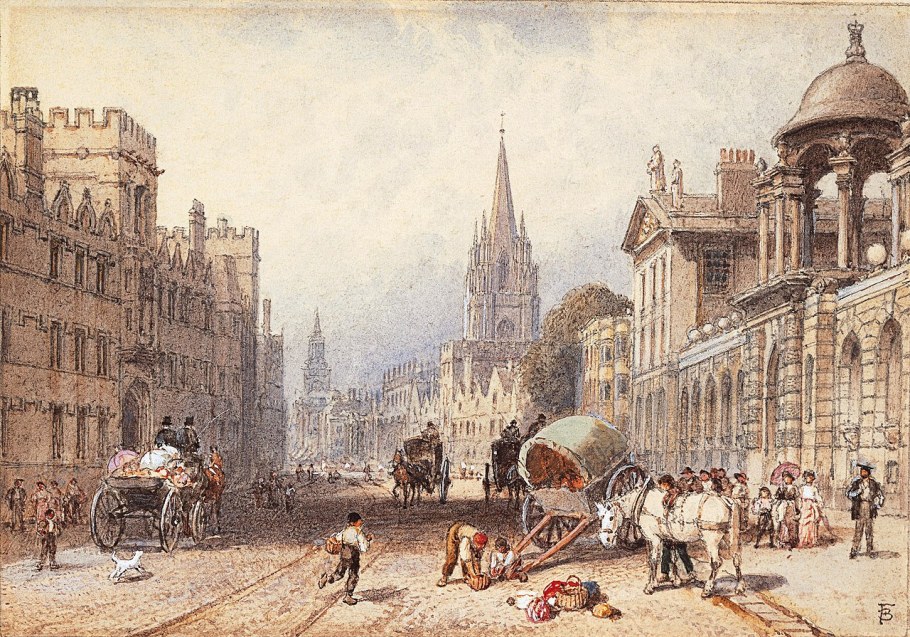
Elizabeth Barrett Browning and the Victorian Era
Elizabeth Barrett Browning (1806–1861) was a pioneering figure in Victorian literature, known for her lyrical mastery and keen engagement with social and personal themes. Sonnets from the Portuguese, written between 1845 and 1846, emerged during a period of strict social codes and restrained public expression of emotion. Browning’s work was revolutionary because it celebrated private, passionate love, often considered taboo in her society.
Why the Title Matters
The title Sonnets from the Portuguese is a deliberate literary strategy. Browning initially presented the sonnets as translations to mask their intensely personal origin. By doing so, she created a literary veil, allowing her deep emotions to circulate more freely while protecting her private life. This approach reflects the dual nature of devotion in the sonnets—simultaneously public and private, spiritual and corporeal.
Themes of Passion in the Sonnets
Romantic and Physical Devotion
Passion in Browning’s sonnets is not merely romantic abstraction; it is a tangible, felt experience. Sonnets like “How do I love thee? Let me count the ways” convey intense emotional and physical intimacy. Browning meticulously enumerates different dimensions of love—emotional, spiritual, and even mundane—highlighting how devotion permeates every aspect of her being.
Example Analysis:
-
Lines describing love reaching “to the depth and breadth and height / My soul can reach” illustrate how Browning equates passionate love with spiritual expansiveness.
-
The detailed enumeration suggests both obsession and reverence, blending physical desire with heartfelt devotion.
Browning’s sonnets reveal vulnerability as a core aspect of passion. She exposes her fears, doubts, and insecurities, emphasizing the transformative power of love. The confessional nature of the sonnets allows readers to witness devotion as both fragile and enduring. This vulnerability makes the passion she describes feel authentic rather than performative.
Devotion Beyond Romance
Spiritual and Moral Dimensions
Devotion in Sonnets from the Portuguese extends beyond romantic attachment to moral and spiritual commitment. Browning often frames love as an ethical, almost sacred obligation, intertwined with personal growth and integrity. In sonnets reflecting gratitude for enduring love, devotion emerges as a guiding principle that shapes character and life choices.
Literary Example: in several sonnets, Browning contrasts her personal flaws with the steadfastness of her beloved, implying that devotion requires patience, humility, and moral fortitude.
Endurance and Fidelity
Another dimension of devotion is endurance. Browning portrays love not as fleeting or superficial, but as a lifelong promise. Through imagery of constancy and timelessness, she communicates that devotion requires resilience and selflessness—qualities as essential as passion itself.
Poetic Techniques Enhancing Passion and Devotion

Imagery and Metaphor
Browning’s use of natural imagery—rivers, heights, light, and shadow—serves to mirror the intensity of human emotion. Her metaphors link the internal landscape of the heart to the external world, creating a sense of universality. For instance, love “freely, purely, and eternally” is often depicted through cosmic or elemental metaphors, suggesting both immensity and permanence.
Form and Structure
The sonnet form itself—strict, disciplined, yet highly expressive—parallels the balance between passion and restraint in the poems. Browning manipulates rhyme, rhythm, and meter to accentuate emotional crescendos. The Petrarchan and Shakespearean influences in her structuring allow her to move fluidly between personal introspection and declarative statements of love.
Tone and Voice
Browning’s tone shifts subtly from intimate confession to solemn declaration, reflecting the duality of passion and devotion. These tonal shifts guide readers through the spectrum of love—joy, anxiety, reverence, and fulfillment—demonstrating her mastery of voice as a vehicle for emotional resonance.
Key Sonnets Illustrating Passion and Devotion
Sonnet 14: “If thou must love me, let it be for nought”
This sonnet emphasizes unconditional devotion. Browning warns against superficial love based on beauty or convenience, highlighting the importance of recognizing the lover’s soul. Passion here is inseparable from deep moral and emotional engagement.
Sonnet 22: “How do I love thee? Let me count the ways”
Arguably the most famous sonnet in the collection, it encapsulates the intensity of both romantic and spiritual passion. Browning’s precise enumeration of love’s dimensions demonstrates meticulous reflection on devotion, transforming abstract feelings into tangible, measured expressions.
Sonnet 43: “I love thee to the depth and breadth and height”
This sonnet integrates cosmic imagery to depict love’s limitless scope. It underscores Browning’s recurring theme that true devotion extends beyond personal gratification, touching the spiritual and eternal.
Influence and Legacy
Browning’s Sonnets from the Portuguese have influenced generations of poets, particularly women writers, in expressing emotional and spiritual depth. The sonnets challenge the Victorian ideal of restrained femininity and set a precedent for personal, confessional poetry. Contemporary readers continue to find relevance in Browning’s nuanced exploration of passion and devotion, making the sonnets enduringly valuable for literary study and personal reflection.
Key Takeaways
-
Passion and devotion in Browning’s sonnets are deeply intertwined, blending romantic, spiritual, and moral dimensions.
-
The confessional tone makes her emotional expressions authentic and relatable.
-
Browning’s poetic techniques—imagery, metaphor, and sonnet structure—enhance the intensity of emotion.
-
Devotion extends beyond love to include moral and spiritual endurance.
-
The sonnets challenge Victorian societal norms, promoting personal and emotional authenticity.
-
Iconic sonnets, like Sonnet 22 and Sonnet 43, demonstrate the universality of passionate devotion.
-
Browning’s work has influenced confessional poetry and continues to resonate with modern audiences.
-
Understanding the historical and personal context of the sonnets deepens appreciation for their emotional and literary complexity.
FAQ
Q1: Why did Elizabeth Barrett Browning call the collection Sonnets from the Portuguese?
A: She framed them as translations to maintain privacy and protect her personal expressions of love, as the sonnets were deeply autobiographical.
Q2: Are the sonnets primarily romantic or spiritual in nature?
A: They integrate both aspects. While romantic passion is central, devotion often extends to spiritual and moral dimensions.
Q3: How does Browning use poetic form to convey emotion?
A: The strict sonnet structure allows for controlled, measured expression, while rhythmic and rhyming variations highlight emotional peaks and intimacy.
Q4: What makes these sonnets relevant today?
A: Their exploration of love, vulnerability, and personal integrity resonates across time, offering insights into human emotion and relational authenticity.
Q5: Which sonnet is the most famous, and why?
A: Sonnet 22, “How do I love thee? Let me count the ways,” is widely recognized for its eloquent enumeration of love’s depths, combining passion with spiritual devotion.
Conclusion
Elizabeth Barrett Browning’s Sonnets from the Portuguese masterfully intertwines passion and devotion, presenting love as both intensely personal and universally resonant. Through careful use of poetic techniques, historical context, and deeply introspective language, Browning elevates romantic and spiritual devotion into an enduring literary achievement. Readers gain not only aesthetic pleasure but also profound insights into the human heart, making these sonnets essential for anyone exploring love, emotion, and poetic craft.