
Charles Dickens’ poem The Cry of the Children is more than a literary work; it is a social commentary that exposes the harsh realities of child labor in 19th-century England. Written in 1843, during the height of the Industrial Revolution, the poem confronts readers with the suffering of young workers, compelling society to reflect on its moral responsibilities. Understanding the poem through the lens of social justice and compassion offers insights into how literature can influence social reform and shape public consciousness.
Historical Context: The Industrial Revolution and Child Labor
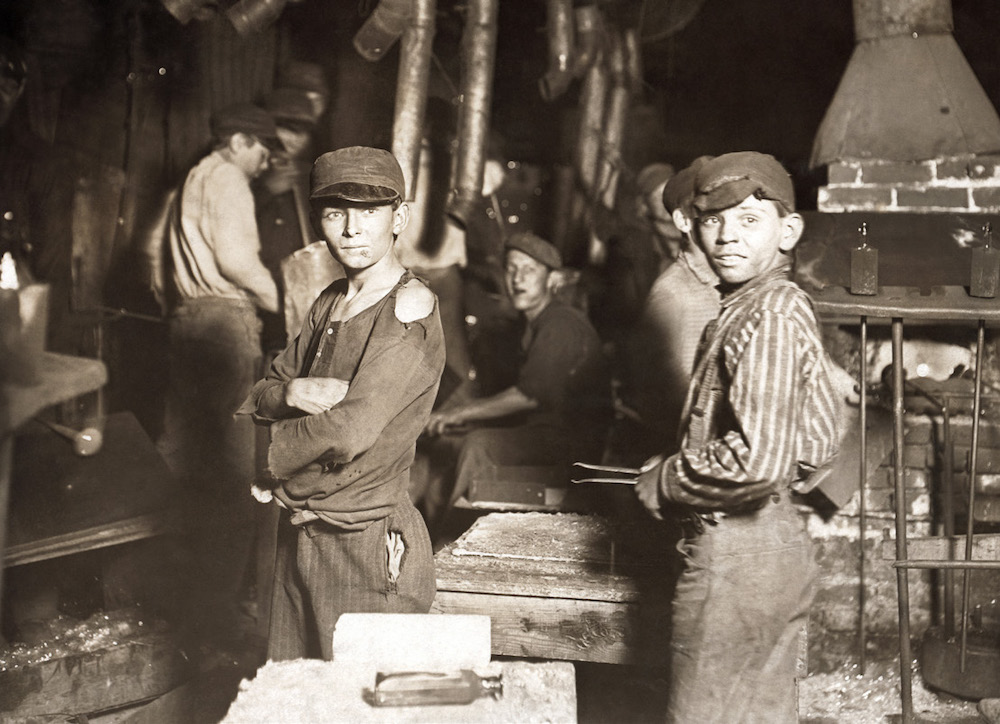
To fully grasp the moral weight of The Cry of the Children, one must consider the historical backdrop in which Dickens wrote. The Industrial Revolution transformed England, generating unprecedented economic growth but also creating a labor system that often exploited the most vulnerable. Factories and mines employed children as young as five, forcing them into long, grueling workdays for minimal pay. Dickens witnessed these conditions firsthand and sought to document their inhumanity.
The social climate of the period was marked by stark inequalities. Middle- and upper-class families benefitted from the wealth produced by industrial labor, while working-class children endured dangerous conditions, malnutrition, and the absence of formal education. Dickens’ poem situates the reader in this inequitable reality, using vivid imagery to evoke empathy. By portraying children as both physically and emotionally exhausted, the poem emphasizes the urgent need for societal intervention.
Literary Techniques as a Vehicle for Compassion
Dickens’ literary strategies in The Cry of the Children serve a deliberate purpose: to foster compassion in the reader. The poem’s rhythm and structure mimic the relentless monotony of labor, reinforcing the physical and psychological strain experienced by child workers. For example, repeated lines and rhythmic patterns mirror the continuous motion of factory machinery and the unending tasks imposed on children.
Imagery is another powerful tool. Dickens describes “the hollow cheeks” and “sunken eyes” of the children, evoking a visceral response. This use of stark, unembellished visual cues engages readers on an emotional level, compelling them to confront suffering that might otherwise remain abstract. In doing so, the poem transcends mere reportage; it becomes a moral appeal, urging readers to recognize the humanity of the oppressed.
Social Justice Themes in the Poem
At its core, The Cry of the Children is a call for social justice. Dickens does not merely describe suffering; he interrogates the societal structures that allow such exploitation to persist. The poem highlights inequality, the moral failures of those in power, and the societal complacency that enables child labor.
A notable aspect of Dickens’ social critique is the moral responsibility he attributes to adults. He questions the ethical legitimacy of a society that allows children to endure suffering for economic gain. The poem implicitly critiques government policies and industrial practices, emphasizing that the welfare of children should take precedence over profit. By presenting child labor as both a social and moral problem, Dickens appeals to the conscience of readers, pushing them to consider reforms and compassionate action.
Compassion as a Catalyst for Reform
Compassion, in Dickens’ vision, is not passive sentiment but an active force for change. The poem encourages readers to empathize with children, imagining their exhaustion, despair, and longing for freedom. Such empathy is the first step toward social reform. By engaging the reader’s moral sensibilities, Dickens builds a bridge between observation and action, suggesting that awareness of injustice must lead to intervention.
This approach aligns with contemporary understandings of moral psychology. Research indicates that empathy can motivate prosocial behavior, and Dickens’ writing predates and embodies this principle. By rendering suffering vivid and personal, the poem transforms distant social issues into immediate ethical concerns. Readers are not merely witnesses; they become participants in the moral dialogue, compelled to confront societal wrongs.
Dickens’ Influence on Public Policy
The impact of The Cry of the Children extended beyond literature. Dickens’ work contributed to the growing awareness of child labor abuses and fueled debates over legislative reform. During the 19th century, Britain gradually implemented laws regulating child labor, including restrictions on working hours and conditions. While Dickens’ poem alone did not create these laws, it played a critical role in shaping public opinion, demonstrating the potential of literature to inform and influence social policy.
By contextualizing the poem within broader social movements, it becomes clear that Dickens’ message resonates not only as moral guidance but also as historical evidence of literature’s capacity to inspire reform. The Cry of the Children exemplifies how storytelling can amplify the voices of the marginalized and catalyze systemic change.
Universal Relevance: Compassion Beyond Dickens’ Era

While rooted in a specific historical context, the themes of The Cry of the Children remain relevant today. Modern societies continue to grapple with child exploitation, whether in labor, trafficking, or systemic neglect. Dickens’ call for compassion and social responsibility transcends time, inviting contemporary readers to examine current injustices and consider ethical responses.
Moreover, the poem serves as a model for integrating social advocacy into artistic expression. By combining evocative imagery, narrative urgency, and moral interrogation, Dickens demonstrates that literature can serve as both a mirror of societal conditions and a tool for reform. This dual function—artistic and ethical—underscores the enduring value of literature in fostering social awareness.
Ethical Implications and Moral Reflection
Engaging with The Cry of the Children encourages a deeper understanding of ethical responsibility. The poem challenges readers to reflect on their own complicity in systemic injustices, whether through consumption, indifference, or acceptance of inequality. Dickens implicitly argues that morality is not abstract but enacted through choices and societal engagement.
This ethical dimension aligns with broader philosophical discussions of social justice. The poem illustrates the concept that justice requires active protection of vulnerable populations. Compassion, therefore, is inseparable from action: feeling pity or sorrow is insufficient unless it motivates advocacy, reform, or intervention.
Literary Comparisons and Broader Cultural Impact
Dickens’ work can be compared to other literary explorations of social injustice. William Blake’s Songs of Innocence and Experience, for example, also examines the exploitation of children, though with a more symbolic and allegorical approach. Both authors highlight the tension between innocence and societal corruption, demonstrating how literature can illuminate moral and social crises.
Additionally, The Cry of the Children influenced later writers who sought to address social issues through art. The poem’s integration of ethical urgency with literary craftsmanship provided a template for authors advocating reform, reinforcing the notion that storytelling is a potent instrument for social consciousness.
Educational Significance and Modern Applications
For educators, The Cry of the Children provides a compelling case study in literature, history, and ethics. Teaching the poem encourages students to analyze historical context, literary techniques, and moral arguments simultaneously. It fosters critical thinking, empathy, and an understanding of the interconnectedness of art and social justice.
Beyond academic settings, the poem remains a useful resource for activists, policymakers, and anyone interested in social reform. Its lessons on compassion, advocacy, and moral responsibility continue to inform approaches to contemporary social issues, demonstrating that Dickens’ insights are not confined to the past but resonate in ongoing debates about equity, labor, and human rights.
Key Takeaways
-
The Cry of the Children exposes the harsh realities of child labor during the Industrial Revolution.
-
Dickens uses literary techniques—imagery, rhythm, repetition—to evoke empathy and moral reflection.
-
The poem serves as a critique of societal and governmental complacency regarding exploitation.
-
Compassion, as portrayed in the poem, is an active force for social reform, not passive sentiment.
-
Dickens’ work influenced public opinion and contributed to legislative reforms on child labor.
-
The themes of social justice remain relevant in addressing contemporary child exploitation and systemic inequities.
-
Ethical engagement requires both empathy and action, highlighting individual and societal responsibility.
-
The poem exemplifies literature’s capacity to merge artistic expression with moral advocacy.
Conclusion
The Cry of the Children is a powerful testament to the intersection of literature, morality, and social reform. By portraying the suffering of vulnerable children with unflinching clarity, Dickens compels readers to confront injustice, recognize their ethical responsibilities, and consider the transformative power of compassion. Far beyond its historical context, the poem continues to inspire reflection, advocacy, and the pursuit of justice, demonstrating that empathy and literature together can shape both hearts and societies.