
John Donne’s poem “Song: Go and Catch a Falling Star” is a hallmark of metaphysical poetry, blending wit, intellectual play, and sharp commentary on human relationships. Written during the early seventeenth century, the poem captures Donne’s characteristic mixture of cynicism, humor, and philosophical reasoning as he interrogates the nature of fidelity and the illusions of romantic ideals. For modern readers, it provides a window into early modern attitudes toward love, gender, and social expectation, while demonstrating the enduring appeal of clever argumentation in poetry.
Historical and Cultural Context
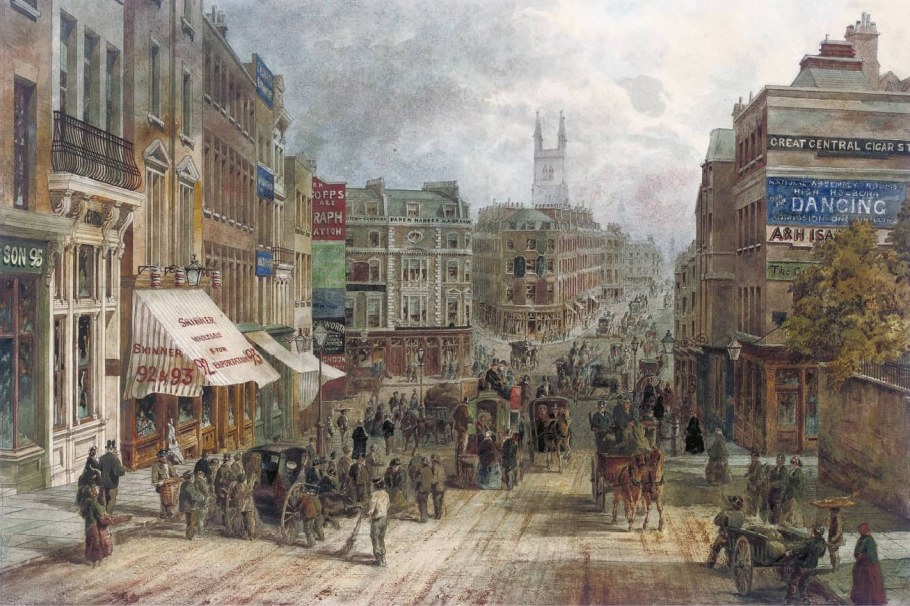
Understanding the poem requires situating it within Donne’s time, where social norms, gender roles, and courtship practices shaped perceptions of love and loyalty.
Early Seventeenth-Century England
In Donne’s England, marriage, courtship, and sexual morality were tightly regulated by social and religious conventions. Fidelity was highly prized, but double standards were pervasive, particularly regarding men and women. Romantic poetry often navigated these tensions, using wit and argumentation to explore desire, suspicion, and moral expectation.
Donne and Metaphysical Poetry
Donne’s metaphysical style combines intellectual rigor with emotional intensity. In “Go and Catch a Falling Star”, he exemplifies this by constructing a series of clever impossibilities as a vehicle for critiquing human faithfulness. The poem’s wit is inseparable from its thematic focus, illustrating how argumentation and imagination serve poetic, philosophical, and social purposes simultaneously.
Structure and Tone
The poem is composed of three stanzas, each advancing a cumulative argument. Donne’s tone alternates between playful mockery and pointed cynicism, reflecting the tension between intellectual engagement and emotional observation.
First Stanza: Impossibility as Persuasion
The poem opens with a series of fantastical tasks:
“Go and catch a falling star,
Get with child a mandrake root,
Tell me where all past years are,
Or who cleft the devil’s foot.”
These impossible feats set the stage for the central argument: just as these tasks cannot be accomplished, so too is finding a woman who is truly faithful. The humor of the hyperbolic demands engages readers while establishing the poem’s logical and rhetorical framework. By linking cosmic and magical impossibilities with human behavior, Donne elevates everyday relational concerns into a metaphysical arena.
Second Stanza: Fidelity and Cynicism
The second stanza shifts from fantastical imagery to moral observation. Donne’s speaker asserts that women’s fidelity is as rare as the impossible feats previously described:
“Yet she will be
False, ere I come, to two, or three.”
The speaker’s tone is simultaneously wry and resigned. Rather than merely lamenting unfaithfulness, he constructs it as a natural, predictable outcome. Here, Donne combines psychological insight with social commentary, portraying human relationships as governed by self-interest, desire, and practical limitations rather than idealized virtue.
Third Stanza: Philosophical Reflection
The final stanza extends the speaker’s argument, blending metaphysical reasoning with playful exaggeration:
“If you but catch her once, you find
She will betray you in the end.”
Through paradox and subtle argument, Donne emphasizes the gap between idealized loyalty and observed reality. The speaker does not propose moral reform or prescribe virtue; instead, he exposes the structural inevitability of human deception. This approach demonstrates Donne’s characteristic fusion of wit, observation, and philosophical reasoning.
Literary Devices and Metaphysical Techniques

Donne’s genius lies in his ability to integrate playful argument, intellectual rigor, and keen social observation.
Hyperbole and Impossibility
The poem’s repeated use of impossible tasks is central to its effect. Hyperbole amplifies the speaker’s argument about infidelity while entertaining the reader. Each fantastical feat parallels a relational impossibility, demonstrating Donne’s skill in mapping metaphor onto ethical and psychological realities.
Wit and Conceit
The metaphysical conceit—a hallmark of Donne’s poetry—is present in the imaginative linkage of cosmic impossibilities with everyday behavior. The poem’s wit derives from the cleverness of the analogies, which transform mundane concerns about faithfulness into playful philosophical problems.
Tone and Irony
Irony permeates the poem. While the speaker appears concerned with fidelity, his exaggerated scenarios and cynical conclusions reveal a layer of humor and detachment. Donne’s ironic lens invites readers to observe the gap between idealized notions of love and the complexities of human behavior, making the poem both entertaining and intellectually stimulating.
Themes
“Go and Catch a Falling Star” explores multiple interconnected themes:
Cynicism About Love and Fidelity
The poem’s central assertion is the rarity—or near impossibility—of true fidelity. Donne critiques social idealizations of loyalty, particularly in romantic relationships, presenting human behavior as governed by desire, self-interest, and practical limitations.
The Interplay of Desire and Reason
By framing infidelity as an inevitable outcome, Donne highlights the tension between emotional longing and rational observation. The speaker’s reasoning demonstrates a balance between playful fantasy and serious reflection, illustrating how intellect can interrogate human experience without diminishing emotional depth.
Gender and Social Observation
Donne’s portrayal of women’s infidelity must be read within historical context. While modern readers may question its gendered assumptions, the poem reflects contemporary anxieties about female agency, societal expectation, and relational trust. It also subtly critiques broader human tendencies toward moral inconsistency, not merely the behavior of women.
Comparison with Donne’s Other Works
The poem’s themes and techniques align with other metaphysical poems by Donne, particularly those exploring love, desire, and the interplay between intellect and emotion.
Relation to “The Flea”
Like “The Flea”, “Go and Catch a Falling Star” combines wit, conceit, and argumentation. Both poems use imaginative reasoning to explore sexual and relational themes, though the latter leans more heavily into cynicism and social commentary.
Relation to “The Sun Rising”
Whereas “The Sun Rising” elevates romantic love to cosmic significance, “Go and Catch a Falling Star” examines the limitations of human relationships. Together, these poems demonstrate Donne’s versatility in exploring the spectrum of love, from idealized intimacy to pragmatic, sometimes bitter, reflection.
Modern Relevance
Despite its historical specificity, the poem resonates with contemporary readers for several reasons.
Observing Relational Dynamics
Donne’s sharp insight into human behavior remains applicable to modern considerations of trust, desire, and fidelity. The poem’s cynical lens encourages reflection on relational expectations and the gap between ideals and reality.
Humor as Intellectual Engagement
The wit and imaginative argumentation exemplify how humor can illuminate serious themes. Modern readers can appreciate the poem not only for its literary artistry but also as a model of reasoning, persuasion, and playful critique.
Philosophical Perspective
Beyond romantic cynicism, the poem invites reflection on human limitations, the nature of trust, and the role of perception in evaluating others. It demonstrates how poetry can merge aesthetic pleasure with philosophical insight, offering enduring intellectual value.
Key Takeaways
- “Go and Catch a Falling Star” uses hyperbole and impossibility to explore the rarity of fidelity.
- Donne’s metaphysical conceit transforms fantastical scenarios into commentary on human relationships.
- Wit and irony allow the poem to entertain while offering psychological and social insight.
- Cynicism about love is balanced by intellectual playfulness rather than mere bitterness.
- The poem reflects early modern attitudes toward gender, morality, and desire.
- Comparison with other Donne poems highlights the poet’s versatility in addressing love and human behavior.
- Modern readers can apply the poem’s observations to relational dynamics and social reasoning.
Conclusion
John Donne’s “Song: Go and Catch a Falling Star” exemplifies the power of metaphysical poetry to combine wit, argumentation, and social commentary. By framing infidelity as an almost inevitable human trait, Donne balances humor, cynicism, and philosophical reasoning, inviting readers to engage both emotionally and intellectually. The poem’s enduring relevance lies in its clever exploration of desire, trust, and the complexities of human relationships, offering lessons on observation, reasoning, and the subtle interplay between love and reality.