
John Donne’s poem “The Flea” is a quintessential example of metaphysical poetry, where wit, intellect, and eroticism intersect to explore love and desire. In this playful yet provocative work, Donne uses a seemingly trivial insect—the flea—as a vehicle for complex argumentation, seduction, and philosophical reflection on intimacy. The poem’s enduring relevance lies in its inventive logic, layered metaphors, and the way it challenges conventional ideas of morality, passion, and persuasion, offering readers insight into both early modern love and the broader metaphysical tradition.
Historical and Literary Context
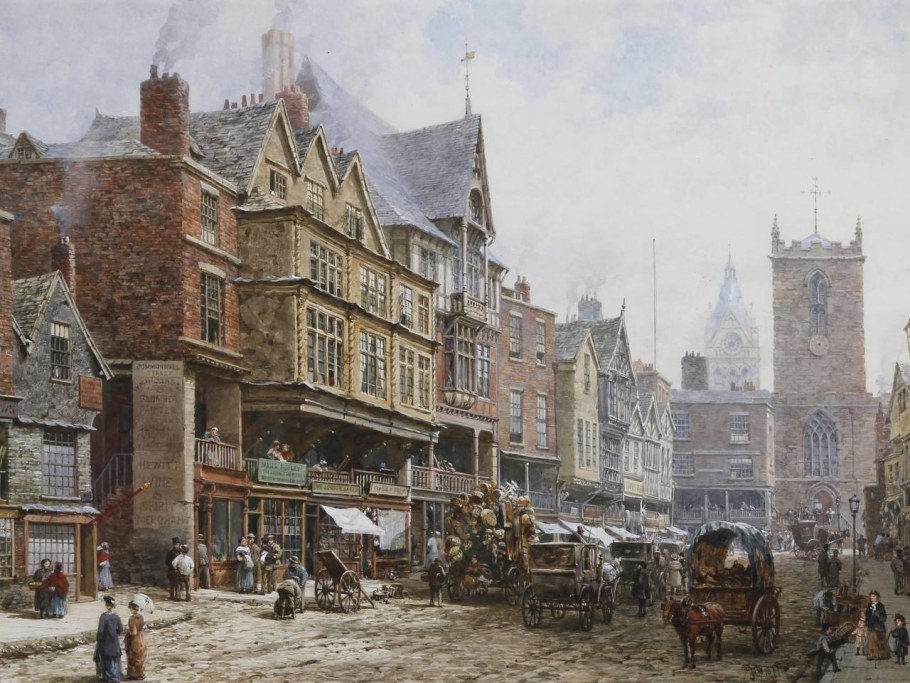
Understanding “The Flea” requires situating it within the cultural and literary context of early seventeenth-century England, a period marked by both social restraint and poetic experimentation.
Jacobean Courtship and Morality
During Donne’s lifetime, relationships and sexual conduct were governed by strict social and religious norms. Public expressions of desire were often circumscribed by propriety, yet literary culture offered a space to explore erotic themes with ingenuity. Metaphysical poets like Donne employed subtle argumentation, elaborate conceits, and wit to engage with themes of love and sex in a way that was intellectually and morally sophisticated.
Metaphysical Poetry
Metaphysical poetry is defined by its emphasis on intellectual engagement, paradox, and the blending of emotional and philosophical exploration. Donne’s “The Flea” exemplifies these characteristics through its extended conceit, argumentative structure, and fusion of sensuality and reasoning. In doing so, the poem elevates what might seem like trivial subject matter into a profound meditation on desire, consent, and human connection.
Structure and Form
“The Flea” is a three-stanza poem with a conversational tone, resembling a subtle courtship dialogue. Its structure mirrors the speaker’s logical progression as he constructs his persuasive argument: from observation, through reasoning, to a final attempt at seduction.
First Stanza: Observation and Initial Persuasion
The poem begins with the speaker drawing attention to a flea that has bitten both him and his beloved:
“Mark but this flea, and mark in this,
How little that which thou deniest me is;
It sucked me first, and now sucks thee,
And in this flea our two bloods mingled be.”
Here, the flea becomes a metaphor for physical intimacy, condensing sexual union into a small, seemingly innocuous act. The speaker’s tone is both playful and logical, framing the flea’s bite as evidence of a shared connection that mirrors the intimacy he desires.
Second Stanza: Amplification and Argument
The second stanza extends the conceit, highlighting the speaker’s reasoning and rhetorical skill. He suggests that if the flea has mingled their blood without consequence, then the moral and social barriers to physical union are negligible:
“Oh stay, three lives in one flea spare,
Where we almost, yea, more than married are.”
By equating the mingling of blood in the flea with marital union, Donne challenges conventional ideas of chastity, emphasizing the poem’s playful, provocative nature. The speaker uses hyperbole and logical compression to transform a tiny insect into a symbol of relational, erotic, and even spiritual unity.
Third Stanza: Reversal and Conclusion
In the final stanza, the beloved kills the flea, undermining the speaker’s argument. Yet, he responds with resilience, reframing the act to suggest that if the flea’s death cannot harm their union, then physical intimacy itself carries no true consequence:
“Just so much honor, when thou yield’st to me,
Will waste, as this flea’s death took life from thee.”
This clever reversal illustrates the metaphysical style: paradox, subtle argument, and the blending of humor with erotic suggestion. The poem ends not with submission but with an intellectual victory, emphasizing the speaker’s wit and the impermanence of superficial obstacles to desire.
Conceits and Metaphysical Devices
The extended metaphor of the flea is central to the poem’s intellectual and emotional impact.
The Flea as Symbol
The flea functions on multiple levels:
- Erotic symbol: representing the mingling of blood and bodily intimacy.
- Social commentary: challenging moral codes and conventions regarding sexuality.
- Philosophical conceit: exemplifying the speaker’s ability to elevate trivial phenomena into metaphysical argument.
By transforming an ordinary insect into a site of sexual and intellectual engagement, Donne demonstrates the metaphysical poet’s skill in fusing ordinary observation with extraordinary thought.
Argumentation and Paradox
Donne’s use of logical reasoning and paradox reinforces the poem’s persuasive power. The speaker treats desire as an ethical and philosophical question, using the flea’s blood as evidence that physical union is neither sinful nor harmful. This blending of sensuality, humor, and logic is characteristic of Donne’s broader metaphysical approach.
Themes of Desire and Persuasion

The poem explores complex themes, revealing both psychological insight and cultural commentary.
Seduction and Rhetoric
At its core, “The Flea” is a poem of seduction. The speaker demonstrates how desire can be articulated through argument, metaphor, and wit. Donne portrays love not merely as emotion but as intellectual engagement, where persuasion and playfulness are integral to intimacy.
Transgression and Constraint
By presenting the flea as a metaphor for sexual union, the poem engages with societal norms surrounding chastity and morality. Donne implicitly critiques restrictive social codes, suggesting that human desire is natural and its fulfillment rational, rather than shameful.
Interplay of Humor and Seriousness
The poem balances humor with serious reflection. While the argument is playful, it also raises profound questions about intimacy, consent, and the human tendency to inflate moral significance. This tonal balance exemplifies Donne’s mastery of metaphysical wit.
Imagery and Language
Donne’s imagery combines the physical, the intellectual, and the comic.
Bodily Imagery
The mingling of blood, the act of the flea biting, and references to marriage create a bodily, tangible framework for abstract ideas. This grounding in physical reality makes the poem relatable and vivid.
Intellectual and Metaphysical Imagery
The poem uses the flea to expand the scale of reflection, transforming a minor detail into a philosophical symbol. The microcosm of the flea becomes a metaphor for moral reasoning, relational negotiation, and the subtle interplay of desire and restraint.
Humor and Wit
The witty tone, wordplay, and ironic reasoning contribute to the poem’s charm and intellectual appeal. By combining comedy with seduction, Donne elevates what could be a trivial love poem into an enduring metaphysical work.
Comparison with Other Donne Works
“The Flea” shares themes and techniques with Donne’s other metaphysical poetry.
Erotic Argumentation
In poems like “The Good-Morrow” or “The Sun Rising”, Donne similarly merges sensuality with philosophical reflection. However, “The Flea” distinguishes itself through its playful trivialization of sexual union and its focus on persuasion and rhetorical skill.
The Role of Conceits
Donne’s inventive conceits, from fleas to celestial imagery, exemplify his ability to fuse intellect and emotion. In “The Flea”, the conceit is self-contained and immediate, highlighting Donne’s skill in balancing brevity, humor, and argumentation.
Modern Relevance
“The Flea” continues to resonate with contemporary readers for its clever reasoning, psychological insight, and commentary on human desire.
Intellectual Play in Relationships
The poem illustrates the role of humor, argument, and negotiation in intimate relationships. Modern readers can appreciate the timelessness of Donne’s playful yet strategic approach to persuasion and connection.
Challenging Social Norms
By questioning rigid moral structures, Donne’s work encourages reflection on societal assumptions about desire, consent, and relational ethics. This aspect of the poem remains strikingly relevant in contemporary discourse on sexuality and agency.
Key Takeaways
- “The Flea” exemplifies metaphysical poetry through its use of wit, argument, and conceit.
- The flea symbolizes erotic union, moral debate, and metaphysical insight.
- Donne’s playful reasoning demonstrates how desire can be articulated intellectually and persuasively.
- Humor and paradox reinforce the poem’s aesthetic and philosophical depth.
- The poem challenges societal norms surrounding chastity, consent, and desire.
- Bodily and microcosmic imagery grounds abstract concepts in tangible experience.
- Comparison with Donne’s other works highlights his consistent blending of sensuality and intellect.
- The poem remains relevant for its insights into persuasion, relational dynamics, and human sexuality.
Conclusion
John Donne’s “The Flea” transforms a minor insect into a vehicle for intellectual, emotional, and erotic exploration. Through clever argument, metaphysical conceit, and playful tone, the poem examines desire, morality, and human connection in ways that remain insightful today. Its enduring significance lies in its ability to entertain, persuade, and provoke thought, demonstrating the brilliance of metaphysical poetry in bridging the personal, philosophical, and universal dimensions of human experience.