
Alfred, Lord Tennyson’s The Charge of the Light Brigade remains one of the most evocative portrayals of military heroism in Victorian literature. The poem, written in the aftermath of the infamous 1854 cavalry charge during the Crimean War, explores the tension between duty, obedience, and individual identity. By examining this work, readers, students, and literary enthusiasts gain insight not only into the ideals of Victorian heroism but also into the broader cultural and ethical questions surrounding courage, sacrifice, and societal expectation.
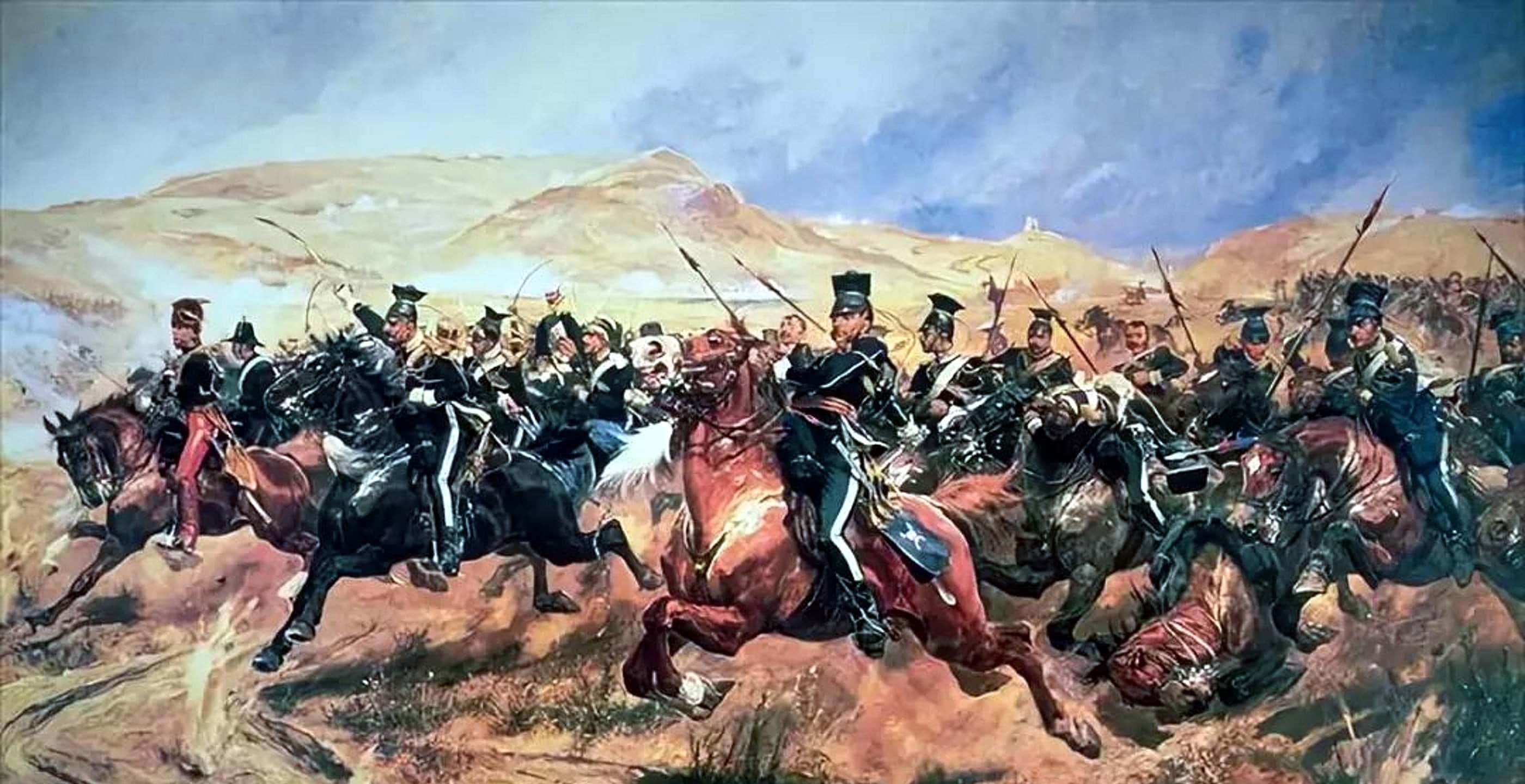
Historical Context: The Charge and Its Consequences
The Crimean War and Public Perception
Understanding the historical backdrop of the Charge is essential to appreciating Tennyson’s poetic treatment of heroism:
-
Military Blunders: The Light Brigade’s assault was a result of miscommunication and poor leadership. Hundreds of soldiers were exposed to enemy fire, leading to significant casualties.
-
Media Sensation: Reports of the charge captivated the British public. Newspapers and letters circulated accounts that blended admiration and criticism.
-
National Identity: The event became a lens through which Victorian society examined courage, patriotism, and the obligations of soldiers to the state.
Tennyson’s poem reframes the narrative, emphasizing bravery over strategic failure and creating a symbolic representation of idealized heroism.
Duty and Obedience in Tennyson’s Poem
The Moral Weight of Following Orders
A central concern of The Charge of the Light Brigade is the soldiers’ unquestioning obedience:
-
Collective Responsibility: Phrases like “Theirs not to reason why, / Theirs but to do and die” highlight the tension between individual agency and collective duty.
-
Ethical Ambiguity: While obedience is valorized, it also raises questions about the morality of following orders that lead to near-certain death.
-
Heroism as Sacrifice: Tennyson presents duty itself as heroic, portraying the soldiers’ willingness to act despite imminent danger as the highest expression of moral courage.
Literary Techniques Reinforcing Duty
Tennyson employs poetic devices that enhance the depiction of obedience:
-
Repetition: The repeated lines reinforce the inexorability of the soldiers’ duty.
-
Rhythmic Meter: Dactylic meter mirrors the relentless advance of the cavalry, evoking both urgency and inevitability.
-
Imagery of Chaos: Vivid descriptions of “valley of Death” emphasize the hazards inherent in adherence to orders, enhancing the reader’s emotional engagement.
Through these devices, Tennyson conveys both admiration and subtle tension regarding duty and obedience.
Identity and the Individual in Collective Heroism
Negotiating Personal and Social Identity
Tennyson explores how soldiers’ identities intersect with societal expectations:
-
Anonymity and Universality: The poem deliberately avoids naming individual soldiers, suggesting that heroism transcends personal identity.
-
Internalized Valor: Each soldier embodies the Victorian ideal of courage, projecting a collective identity of disciplined bravery.
-
Conflict Between Self and Society: The narrative raises questions about how much autonomy an individual retains when bound by institutional norms and nationalistic pressures.
Psychological Dimensions
By framing heroism as both noble and tragic, Tennyson invites readers to consider:
-
Emotional Cost: Even within collective valor, individuals face fear, mortality, and moral tension.
-
Legacy and Memory: The poem enshrines the Light Brigade as emblematic heroes, ensuring their identities persist beyond temporal and personal limits.
This dual focus on collective and individual identity enriches the poem’s exploration of what heroism entails.
Victorian Ideals of Heroism
Cultural and Ethical Expectations
Tennyson’s depiction reflects broader Victorian attitudes toward courage and sacrifice:
-
Moral Exemplars: Heroic soldiers serve as models for personal conduct, demonstrating virtues of discipline, honor, and loyalty.
-
National Pride: Valor on the battlefield reinforces patriotic sentiment, linking individual sacrifice to the collective good.
-
Public Mourning and Celebration: Recognition of military heroism functions as a social mechanism to process grief and reinforce societal cohesion.
Heroism Beyond the Battlefield
While the poem focuses on military courage, its themes resonate with wider notions of heroism:
-
Persistence in Adversity: Heroism is framed as facing inevitable challenges with resolve, applicable to both public and private spheres.
-
Ethical Responsibility: Tennyson implicitly interrogates the moral cost of action within hierarchical structures, inviting reflection on duty in broader contexts.
By extending heroism beyond literal combat, the poem speaks to universal questions about human conduct and moral courage.
The Poetic Architecture of Heroism
Structure, Form, and Symbolism
Tennyson’s formal choices amplify the poem’s thematic concerns:
-
Meter and Pace: The rhythmic cadence simulates the charge, providing kinetic energy and emotional intensity.
-
Imagery and Symbolism: Recurrent references to death, light, and movement evoke both the physical dangers and moral elevation of the soldiers.
-
Lineation and Repetition: Strategic breaks and repetitions reinforce inevitability, echoing the tension between individual choice and collective action.
These elements combine to create an immersive experience that mirrors the duality of heroism: exhilarating, tragic, and morally complex.
Reconsidering Heroism in Modern Perspective
Lessons for Contemporary Readers
Although anchored in Victorian values, Tennyson’s treatment of heroism offers enduring insights:
-
Critical Engagement: Modern readers can examine the ethical implications of obedience and institutional authority.
-
Individual vs. Collective Dynamics: The tension between personal identity and societal expectation remains relevant in contexts from military service to civic responsibility.
-
Valor and Vulnerability: Heroism involves both courage and human fragility, reminding contemporary audiences that ethical and emotional dimensions are inseparable from acts of bravery.
By revisiting Tennyson’s work, readers gain a nuanced understanding of how historical ideals inform and challenge current conceptions of duty and heroism.
Key Takeaways
-
Tennyson’s poem immortalizes the Light Brigade as a symbol of Victorian heroism.
-
Duty and obedience are central to understanding the ethical dimension of heroism.
-
Individual identity is both subsumed by and expressed through collective action.
-
Literary techniques like meter, repetition, and imagery reinforce thematic intensity.
-
Victorian heroism emphasizes courage, sacrifice, and national pride.
-
Heroism extends beyond battle, offering lessons on resilience and ethical responsibility.
-
The poem invites reflection on the tension between moral agency and institutional expectation.
-
Revisiting historical heroism encourages critical engagement with contemporary ethical dilemmas.
FAQ
Q: Why did Tennyson focus on duty rather than individual names in the poem?
A: Emphasizing collective action highlights the universality of heroism and the moral ideal of obedience.
Q: How does the poem reflect Victorian cultural values?
A: It celebrates courage, loyalty, and national pride, aligning with 19th-century ideals of honor and sacrifice.
Q: What literary devices are most significant in conveying heroism?
A: Repetition, dactylic meter, imagery, and lineation work together to create kinetic and moral intensity.
Q: Can the poem’s lessons about duty apply today?
A: Yes; it offers insight into the balance between personal ethics and societal or institutional expectations.
Q: How does Tennyson depict the emotional dimension of heroism?
A: Through imagery of danger, inevitability, and moral reflection, the poem conveys both bravery and vulnerability.
Conclusion
The Charge of the Light Brigade exemplifies the complexities of Victorian heroism, intertwining duty, identity, and moral courage within a poetic framework. Tennyson’s work elevates the valor of soldiers while inviting critical reflection on obedience, individual agency, and societal expectation. By examining the poem through historical, cultural, and literary lenses, readers gain a rich understanding of how heroism can simultaneously inspire admiration, evoke ethical questioning, and provide enduring insight into human conduct.